
What We Do
The purpose of the Washington County HCP Department is to implement and administer the provisions of the Habitat Conservation Plan. The HCP department is tasked with ensuring that the Red Cliffs Desert Reserve is protected from activities that would adversely affect the desert tortoise or its habitat in order that the Reserve remains a viable sanctuary for the recovery of the desert tortoise in the Upper Virgin River Recovery unit. The purpose of this is to ensure the Reserve continues to serve as mitigation for the development of tortoise habitat outside the Reserve. We are responsible to administer the incidental take permit for desert tortoise throughout its habitat in Washington County. This includes ensuring properties located in tortoise take areas within the county, are surveyed for tortoise presence and any tortoises are removed prior to any construction activity. We are responsible for collection of impact fees assessed due to the creation of the HCP and to provide reports to the County Commission and the US Fish and Wildlife Service annually on our activities.
The Red Cliffs Desert Reserve is considered a very successful HCP. It is administered by Washington County in coordination with the Bureau of Land Management (BLM), United States Fish and Wildlife Service (FWS), Utah Department of Natural Resources (DNR), and Utah Trust Lands Administration (TLA). This collaborative partnership has the primary goal of recovering the threatened desert tortoise while carefully managing recreational activities and utility projects to benefit future generations in an extraordinarily unique environment.
Mission Statement:
Washington County HCP balances conservation and community growth by fostering effective partnerships.
Visitor Center
For many, the free visitor center of the Red Cliffs Desert Reserve is a treasured place to learn about local wildlife, plants, and ecosystems while explaining the purpose of the Washington County Habitat Conservation Plan (HCP). The visitor center has live animals and interactive exhibits with staff members available to give presentations to small groups by appointment. Visitors are welcome to drop in during business hours from 8 a.m.–5 p.m., Monday–Friday. Learn more here!
Experience Diverse Ecosystems
When you enter by one of the Reserve’s distinctive “step-over” gates, you are accessing a special place: a place that is a privilege to visit. Not just another hiking trail or bike route, you are entering a wildlife reserve spanning almost 69,000 acres. Set aside to protect the Mojave Desert tortoise and other rare plants and animals, the reserve sits at the merging of three great ecosystems: the Mojave Desert, the Great Basin, and the Colorado Plateau.
The Reserve is biologically rich with a unique array of animals and plants. It is home to the most northern populations of the desert tortoise, Gila monster, sidewinder rattlesnake, and chuckwalla — reptiles typically associated with hotter and more southerly deserts like the Mojave. A significant portion of the shrubs in this area, such as blackbrush, are more commonly found in the cooler Great Basin Desert. The conditions in the region are such that several endemic species (those which occur no where else in the world) are found here.
Protect A Functional Expanse
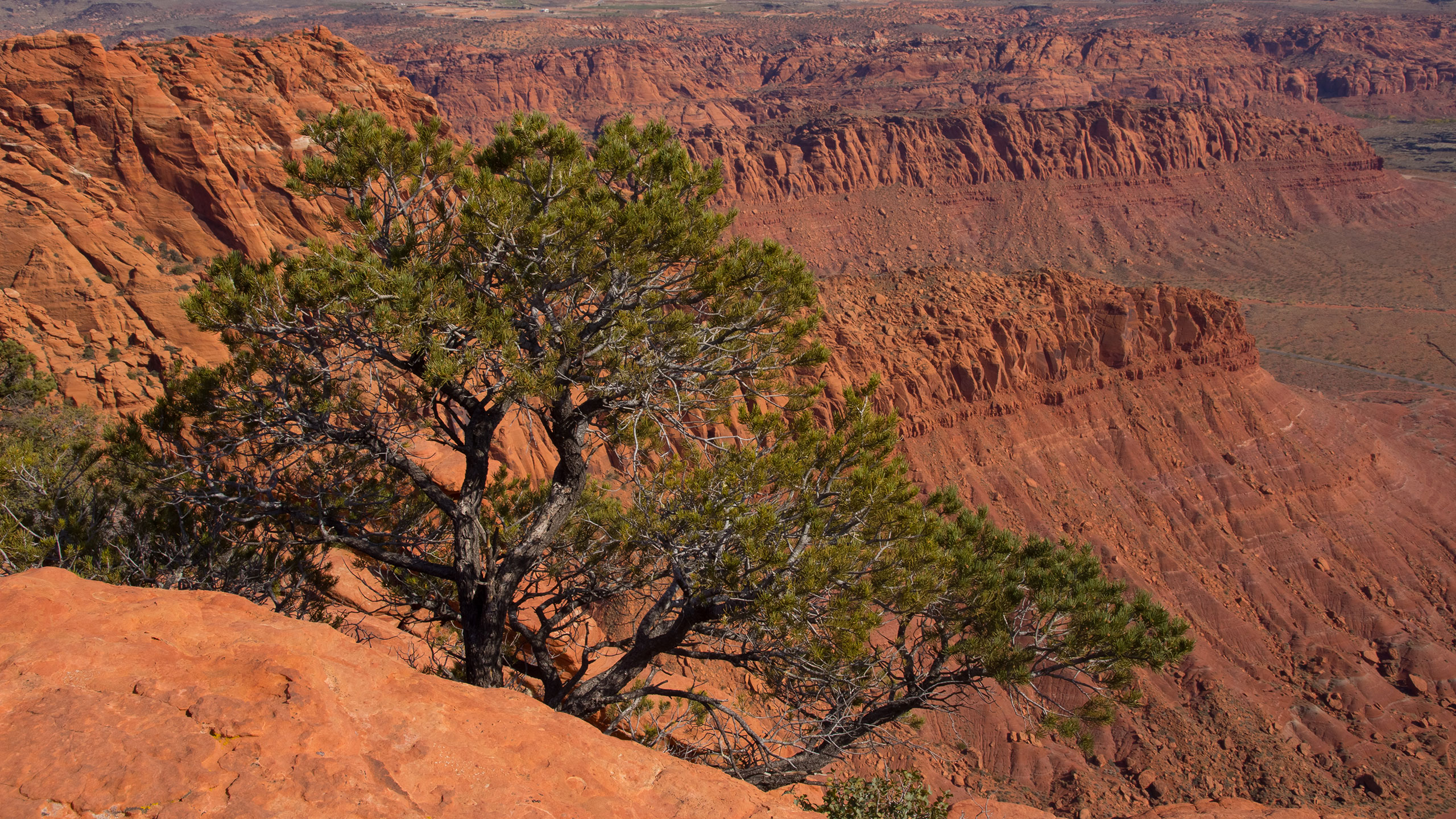
The Reserve was established in 1996 to protect a large, diverse, and functional expanse of habitat capable of sustaining wildlife populations threatened by rapid development and habitat loss. Located immediately adjacent to several growing communities in southwestern Utah, the Reserve also protects the cities’ scenic red rock backdrop and an increasingly popular area for recreation.
The majority of the Reserve spans across the north-central portion of Washington County, with a recent addition of almost 7,000 acres in a new zone located southwest of St. George near the community of Bloomington. It is approximately 20 miles wide and 6 miles deep. The Reserve is north of Ivins, Santa Clara, St. George and Washington City, south of Leeds, and west of Hurricane and LaVerkin. The Reserve is trisected by Highway 18 in the west and I-15 in the east. There are many access points and trails for recreational opportunities within the Reserve.